
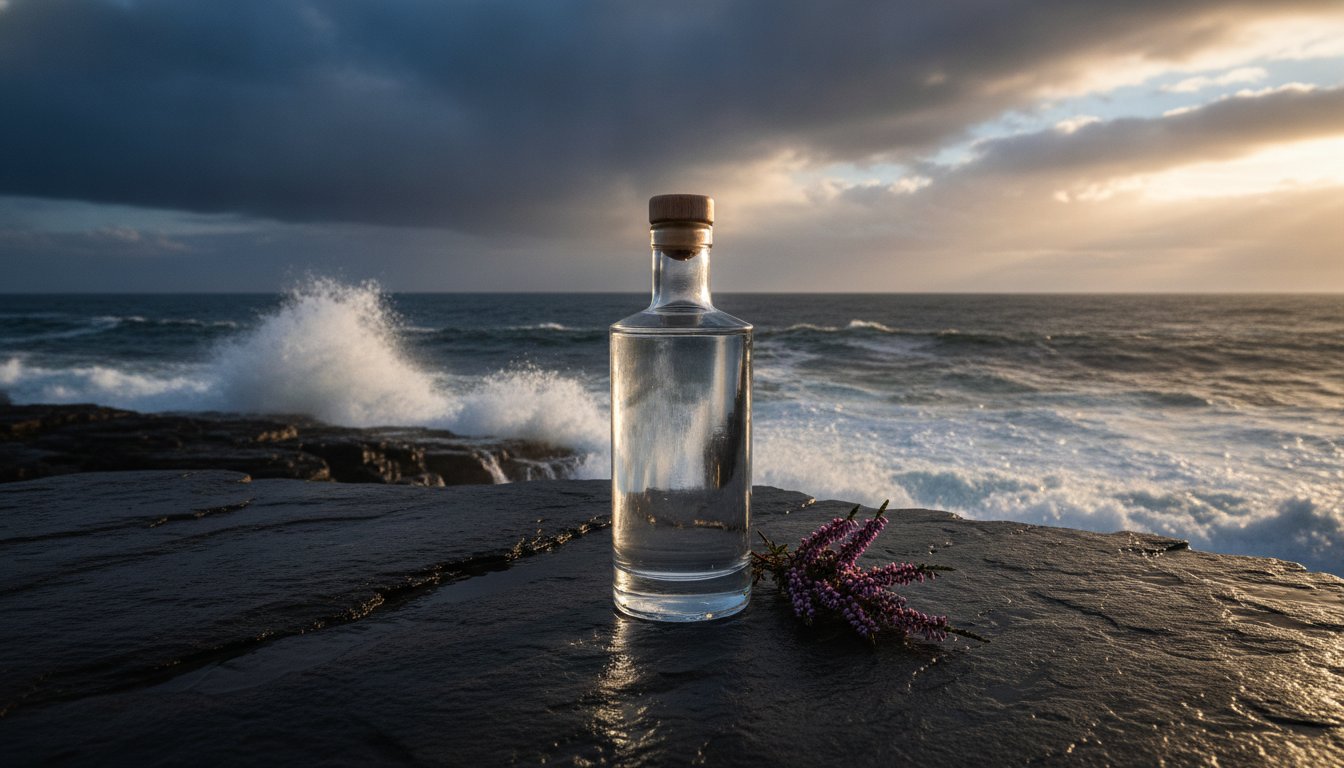
- September / 15 / 2026
Best Islay Gin 2026: Guide to Hebridean Spirits
Can a spirit defined by juniper ever truly rival the peated, salt-sprayed complexity of a legendary Islay single malt? If you’ve spent years exploring the rugged shores of the Queen of the Hebrides through a whisky glass, you might feel that gin is a lighter, less serious pursuit. However, the island’s distillers are proving that the same terroir that shapes world-class Scotch can produce the best Islay gin available today. These spirits aren’t merely generic mixers; they’re precise, botanical maps of the Hebridean landscape.
You’re right to expect more from an island spirit than a standard citrus profile. We understand the desire for authenticity and the confusion that arises when trying to distinguish between foraged excellence and marketing fluff. This guide offers a curated ranking of Islay’s finest gins, from maritime-inspired bottles to complex, hand-foraged masterpieces. You’ll learn how the unique Islay soil influences every sip and discover the perfect serves to highlight these sophisticated spirits.
Key Takeaways
- Understand how Islay’s rugged landscape and unique soil translate into complex botanical spirits that rival the island’s famous whiskies.
- Identify the best Islay gin for your collection by exploring the definitive characteristics of pioneers like The Botanist and maritime farm-distilled expressions.
- Learn to recognise the signature maritime and floral notes that define the Hebridean style, from salt spray to earthy local botanicals.
- Master the art of serving premium gin by selecting neutral tonics and foraged garnishes that enhance rather than mask the spirit’s complexity.
- Discover the value of provenance by sourcing authentic spirits from specialists with deep roots in the Hebridean distilling community.
The Rise of Islay Gin: Terroir in a Bottle
Islay has long been defined by the scent of smouldering peat and the heavy influence of the Atlantic Ocean. While its reputation was built on world-class single malts, a new era of botanical innovation has taken hold. Islay gin is not a mere byproduct of the whisky industry; it is a sophisticated spirit designed to capture the rugged Hebridean landscape in a bottle. Distillers here have successfully translated the island’s legendary sense of place into a clear, complex spirit that challenges the traditional boundaries of the category.
The island’s unique climate plays a critical role in this transition. Constant salt-laden winds and high humidity force local plants to work harder, often resulting in higher concentrations of essential oils within the botanicals. This environmental stress creates a “terroir” effect usually reserved for fine wines or aged whiskies. When searching for the best Islay gin, enthusiasts are often looking for this specific intensity. The result is a spirit that feels grounded in the soil and sea, offering a depth of flavour that generic, mass-produced brands cannot replicate.
From Peat to Botanicals: A Natural Evolution
The transition from distilling whisky to crafting gin was a logical step for Islay’s master distillers. They didn’t just bring their equipment; they brought centuries of knowledge regarding fermentation and spirit cuts. Many of the island’s gins are produced using specialised Lomond stills. These unique vessels allow distillers to manipulate the texture of the spirit, creating a creamy, heavy mouthfeel that echoes the body of a fine Scotch.
The history of gin shows a move from medicinal origins to global popularity, but Islay has refined this further by focusing on its natural resources. The island’s water source is just as vital for gin as it is for whisky. Filtered through ancient rock and peat, the soft water provides a pure canvas that allows the delicate oils of the botanicals to shine without interference. This heritage ensures that even the most modern Islay gin remains tethered to traditional craftsmanship.
The Forager’s Paradise
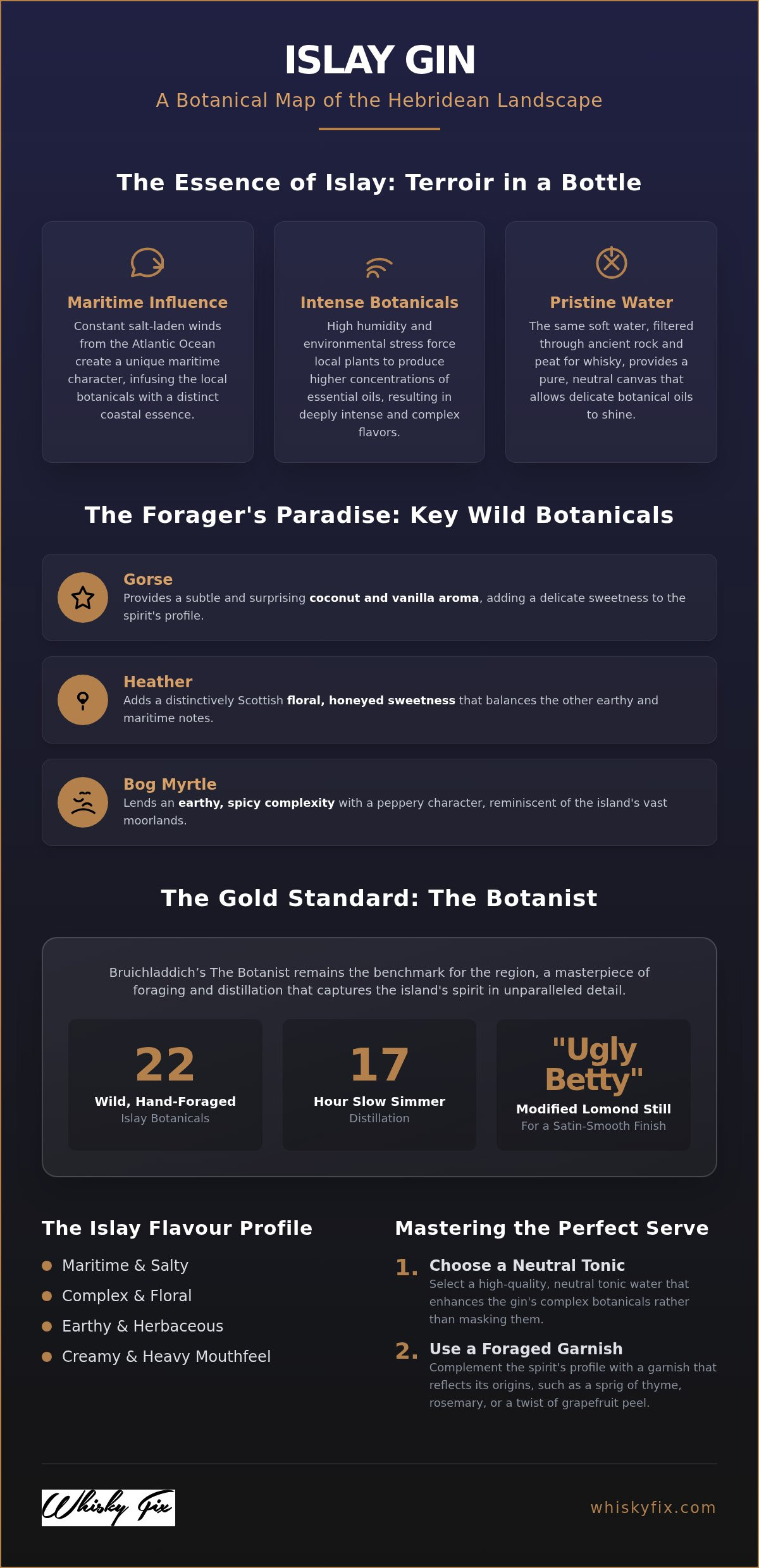
Sustainability and provenance are the pillars of Hebridean distilling. Rather than relying solely on imported spices, distillers look to the hills and machair. Key wild botanicals found across the island include:
- Gorse: Provides a subtle coconut and vanilla aroma.
- Heather: Adds a floral, honeyed sweetness.
- Bog Myrtle: Lends an earthy, spicy complexity reminiscent of the moorlands.
Hand-foraging these ingredients ensures that the delicate ecosystem remains balanced. It also means that the spirit changes slightly with the seasons, reflecting the true state of the island at the time of production. Hebridean gin is a liquid representation of the island coastline. This commitment to local sourcing is what defines the best Islay gin, offering a sensory experience that transports the drinker directly to the shores of the Inner Hebrides.
Best Islay Gin Recommendations for 2026
While Islay is synonymous with peat smoke, its gin production has reached a level of sophistication that demands equal attention. Selecting the best Islay gin for your collection involves looking beyond the major labels to find spirits that embody the island’s raw, coastal character. The current landscape is a mix of global icons and boutique operations that produce spirits in quantities so small they rarely leave the Hebrides without specialist intervention.
The Gold Standard: The Botanist Islay Dry Gin
Bruichladdich’s foray into clear spirits remains the benchmark for the region. The Botanist is crafted using 22 wild, hand-foraged Islay botanicals, which are augmented by nine classic gin components. What sets this spirit apart is the distillation process. It takes place in “Ugly Betty,” a modified Lomond still that operates at incredibly low pressure. This slow, seventeenth-hour simmer coaxes out delicate floral oils that would be lost in a more aggressive distillation. The result is a satin-smooth finish and a complex profile that evolves from citrus to earthy sweet gale. For those who value this level of technical mastery, our Connoisseur’s Guide to Single Malt Scotch Whisky explores the similar heritage of Islay’s famous distilleries.
Beyond the famous names, Kilchoman has applied its “farm-to-bottle” philosophy to spirits like the Casado. This expression leans into maritime notes, offering a crispness that mimics the sea air at Machir Bay. Similarly, Nerabus Islay Gin has carved a niche by focusing on local heather and island lore. It provides a more traditional, juniper-forward experience but with a distinctly floral Hebridean twist. While technically located on the neighboring island, Lussa Gin from Jura is an essential peer. It is produced by a small team using fifteen botanicals grown or foraged on their own rugged coast, making it a staple for any serious Hebridean spirit enthusiast.
Boutique Producers and Rare Editions
The year 2026 has seen a rise in “cask-rested” gins, which serve as a perfect bridge for the whisky enthusiast. These spirits spend a short period in former whisky barrels, absorbing subtle notes of vanilla, oak, and sometimes a whisper of residual peat. These aren’t just gins; they are experiments in wood management that reflect the island’s primary craft. Limited edition seasonal releases are also becoming more prominent. These batches often use botanicals available only for a few weeks a year, such as specific spring blossoms or late-summer berries, ensuring that no two years of production are identical.
Finding these rare editions requires a connection to the islands. If you are looking to secure a bottle with true provenance, you can browse our curated selection of Scottish gin at Whisky Fix. We specialise in sourcing spirits that represent the authentic taste of the Hebrides, ensuring they reach collectors worldwide in pristine condition.
The Islay Flavour Profile: Maritime, Floral, and Complex
The sensory experience of the best Islay gin is defined by a tension between delicate florals and the uncompromising influence of the Atlantic. Unlike standard London Dry expressions which rely heavily on imported citrus, Hebridean spirits draw their character from the island’s own ecology. This results in a profile that is often described as “maritime”-a term that captures the subtle saline quality and the sensation of cold sea air. This isn’t a result of adding salt; it’s a reflection of the botanicals that thrive in the spray-zone of the Inner Hebrides, absorbing the salt-laden atmosphere during their growth.
Texture plays a significant role in distinguishing these spirits. Many enthusiasts notice that Islay gins feel “thicker” or more viscous on the palate than their mainland counterparts. This is largely due to the retention of essential oils during the distillation process. While high-volume commercial gins often strip these oils away for a sharper finish, Islay distillers prioritise a creamy mouthfeel that carries the flavour across the tongue with greater persistence. While Islay is famous for peat, most of its gins remain intentionally bright and fresh. The goal isn’t to replicate the smoke of a heavy malt, but to offer a counterpoint that allows the subtle citrus and earthy Scottish botanicals to remain at the forefront.
Categorising the Island Spirits
To find the best Islay gin for your specific palate, it helps to categorise them by their dominant characteristics. Floral and delicate expressions are often inspired by the island’s brief but vibrant summers, using meadowsweet and clover to create a lighter spirit. Conversely, savoury and saline gins lean into the coastal identity, making them exceptional partners for fresh seafood or a dry martini. For the seasoned Scotch enthusiast, the “whisky-adjacent” profile is the most intriguing. These robust expressions often utilise wood-aging or heavier botanical bills to provide a bridge between the clarity of gin and the complexity of aged malt.
The Science of the Sip
The botanical diversity of the island is dictated by its varied topography. High-altitude botanicals, such as certain mosses and hardy heathers, develop different chemical structures compared to lowland varieties, contributing a sharper, more resinous quality to the spirit. The impact of slow distillation cannot be overstated; by maintaining lower temperatures over longer periods, distillers ensure maximum retention of these delicate oils. Islay’s soft water creates a unique mineral profile in the gin, acting as a gentle solvent that highlights the botanicals without introducing the harshness often found in hard-water areas. At Whisky Fix, we often guide newcomers through these nuances to help them select a bottle that truly reflects the island’s scientific and artisanal heritage.
How to Serve and Pair Premium Islay Gin
Serving a spirit of this calibre requires a departure from standard bar practices. When you’ve invested in the best Islay gin, the goal is to amplify the subtle foraged notes rather than masking them with sugar or artificial flavours. Most enthusiasts make the mistake of choosing overly sweet or fruit-heavy mixers. Instead, opt for a premium, neutral tonic water with a high quinine content. This choice allows the complex maritime and floral layers, which we explored in earlier sections, to remain distinct on the palate.
Glassware is equally important for aroma retention. While a standard highball is functional, a Copa de Balon or a wide-rimmed glass helps concentrate the scents of gorse and bog myrtle. If you’re looking for elegant vessels to elevate your home bar, you can find inspiration in The Art of Whisky Gifting. Regarding food, these spirits are natural companions to the Scottish larder. The saline quality of a coastal gin pairs exceptionally well with brined oysters or smoked salmon from the West Coast, as the spirit’s crispness cuts through the richness of the fish.
The Perfect Hebridean G&T
Creating the definitive island serve is a methodical process. First, chill your glassware in the freezer and use large, clear ice blocks; small cubes melt too quickly and dilute the delicate botanical oils. We recommend a ratio of one part gin to two parts tonic for high-botanical spirits. This maintains the integrity of the spirit’s texture. Finally, select a garnish that mirrors the island’s flora. A sprig of fresh rosemary or a slap of dried bog myrtle can bridge the gap between the liquid and the landscape, providing a sensory experience that begins before the first sip. If you would like to grow your own fruit garnishes like thornless blackberries, you can read more about high-yield varieties for your garden.
If you prefer a more concentrated experience, certain cocktails are specifically suited to the best Islay gin profiles. The Maritime Martini is a standout choice. By using a dry vermouth and a drop of saline solution or a high-quality olive, you enhance the natural sea-spray notes of the spirit. For those who enjoy a more robust drink, the Hebridean Negroni is an excellent alternative. The creamy mouthfeel of Islay gins allows them to stand up to the bitterness of Campari and the sweetness of vermouth without losing their individual character. To ensure you’re working with the finest base spirits for these serves, shop our full range of Scottish gins and experience true Hebridean craftsmanship.
Sourcing Authentic Scottish Spirits from Whisky Fix
When pursuing the best Islay gin, the integrity of the source is as critical as the spirit itself. Provenance is a term often associated with age-stated whiskies, yet it remains equally relevant for botanical spirits. Buying from a specialist ensures that the bottle you receive has been stored correctly and handled by professionals who understand the nuances of Hebridean production. Authenticity is the foundation of any serious collection; knowing exactly where your spirit originated provides peace of mind that mass-market retailers simply cannot offer.
The Gateway to the Isles
Our physical location in Oban places us at the heart of the West Coast’s distilling community. As the gateway to the Hebrides, we maintain direct relationships with the producers on Islay, allowing us to secure the freshest releases and rare seasonal batches before they reach the wider market. Our curators apply the same rigorous standards to gin as they do to our world-class whisky selection. For those looking to diversify their cellar, our Rare Scotch: The Definitive Reference provides a framework for understanding how these two spirits can complement one another in a professional collection.
Worldwide Delivery for Global Collectors
Acquiring rare Scottish spirits shouldn’t be limited by geography. We’ve refined our logistics to ensure that the best Islay gin reaches enthusiasts in every corner of the globe. Shipping delicate glass across continents requires more than just standard padding. We utilise bespoke, secure packaging designed to withstand the rigours of international transit. This methodical approach ensures that every bottle arrives in pristine condition, ready for the shelf or the glass.
Navigating the complexities of international customs and imports can be a significant hurdle for many collectors. Our team manages the necessary documentation and provides clarity on regional requirements, streamlining the process for our global audience. Whether you are adding a maritime-inspired gin to your existing Islay Scotch collection or starting a new journey into Hebridean botanicals, our expertise facilitates a seamless transaction. To begin your journey, explore our curated selection of Scottish Gin at Whisky Fix and discover the true breadth of island craftsmanship.
Securing the Future of Your Hebridean Collection
Islay gin has evolved from a secondary pursuit into a masterclass of terroir and botanical precision. Whether you are drawn to the 22 foraged elements of an established pioneer or the saline-forward notes of a farm-based distillery, the best Islay gin offers a complexity that rivals the island’s most famous malts. Mastering the serve with neutral tonics and coastal pairings transforms these spirits into a true sensory journey through the Inner Hebrides.
As a specialist based in Oban, the gateway to the Isles, Whisky Fix provides an expertly curated selection of rare Hebridean spirits. We ensure every bottle is handled with the respect it deserves, supported by secure worldwide shipping for collectors across the globe. We invite you to explore these liquid representations of the Scottish coastline and enhance your home bar with authentic island character.
Browse the full collection of Islay and Scottish gins at Whisky Fix
We look forward to helping you discover your next favourite spirit from our rugged island shores.
Frequently Asked Questions
What makes Islay gin different from regular gin?
Islay gin is distinguished by its profound connection to the island’s unique terroir and the use of foraged botanicals. While standard gins often rely on imported ingredients, the best Islay gin expressions utilise local plants like bog myrtle and gorse. This creates a profile that captures the maritime atmosphere and rugged landscape of the Inner Hebrides. These spirits offer a complex, earthy depth that generic brands simply cannot replicate.
Is The Botanist the only gin made on Islay?
No, The Botanist isn’t the only gin produced on the island. While it’s the most famous, other distilleries such as Kilchoman and smaller producers like Nerabus and Isle of Islay Gin have established their own unique profiles. Each distillery brings a different perspective to Hebridean distilling, ranging from farm-to-bottle philosophies to recipes rooted in local lore. This diversity ensures a broad spectrum of flavours for collectors to explore and enjoy.
Does Islay gin taste like peated whisky?
Most Islay gins don’t taste like peated whisky because they’re designed to be bright, fresh, and botanical. The goal is to highlight the island’s flora rather than its smoke. However, some boutique producers offer cask-rested expressions. These gins spend time in former whisky barrels, which can introduce subtle notes of oak, vanilla, or a very faint whisper of residual peat. These are excellent choices for traditional Scotch enthusiasts seeking a bridge between spirits.
What is the best way to drink Islay gin?
The best way to enjoy these complex spirits is with a premium, neutral tonic water and intentional garnishes. Avoid sugary mixers that might mask the delicate foraged notes. We recommend using large ice blocks to prevent quick dilution and a wide-rimmed glass to concentrate the aromas. Garnishing with a sprig of local herbs like rosemary or a piece of citrus peel can further enhance the specific botanical profile of the spirit.
Can I buy rare Islay gins online for international delivery?
Yes, you can purchase rare and specialist gins through our online shop for secure international delivery. As an Oban-based specialist, we manage the complexities of worldwide shipping to ensure your bottles arrive in pristine condition. We use bespoke packaging designed for delicate spirits and provide assistance with customs documentation. This allows global collectors to access limited Hebridean releases that are often difficult to find outside of the United Kingdom.
Which botanicals are unique to Islay spirits?
Islay spirits often feature a specific palette of wild botanicals that thrive in the island’s salt-laden atmosphere. These include bog myrtle, which provides an earthy spice, and gorse flowers that lend a hint of coconut. Other common local ingredients are heather, creeping thistle, and water mint. These plants are frequently hand-foraged during their peak seasons, ensuring the gin reflects the true botanical map of the island’s diverse coastline and moorlands.
Is Islay gin considered a craft spirit?
Islay gin is firmly established in the craft spirit category due to its small-batch production and artisanal methods. Distillers often use specialised equipment like Lomond stills to control the spirit’s texture and mouthfeel. The emphasis on hand-foraging local ingredients and the commitment to provenance align perfectly with craft principles. This dedication to quality over volume ensures that every bottle represents a genuine piece of Hebridean heritage and craftsmanship for the discerning drinker.
How long does Islay gin last once opened?
Gin has an almost indefinite shelf life if the bottle remains sealed and stored in a cool, dark place. Once opened, the spirit won’t spoil, but the delicate botanical oils will slowly begin to oxidise. To experience the best Islay gin at its peak, we recommend consuming the bottle within twelve months. Keeping the cap tightly sealed between serves will help preserve the vibrant floral and maritime notes that define these premium spirits.